
The Collection
Sauces
The Spanish table, bottled. Four sauces built from whole tomatoes, herbs from the garden, and a refusal to rush.
The idea behind the sauces
Our sauces begin in the tomato field, not the factory. Ripe fruit, a copper-bottomed pan, olive oil, salt, herbs — that is the list. We cook for hours because time is a seasoning. No starches, no concentrates, no hidden sugars.
What reaches the jar is what a careful Spanish kitchen would make for its own table on a Sunday — a sauce that tastes of the field it came from, not of the can it ended in.
The place
Vegas Altas, Extremadura
The tomato we use grows in the Vegas Altas of Extremadura, on the long flat fields beside the Guadiana. The summer there is hot enough to push the sugars and dry enough to keep the skin honest. The fruit ripens on the vine, not in a warehouse, and is harvested between July and September.
From field to factory is a short drive. From factory to jar is the same day. Time, here, is the first ingredient — and the one we refuse to lose.
The craft
Slow heat, copper, patience
Whole tomatoes go into the pan. Olive oil, sea salt, a little garlic, sometimes a bay leaf — never starch, never sugar, never tomato paste borrowed from another harvest. The pan is wide and copper-bottomed because copper holds the heat steadily and lets the steam rise.
We cook for hours, not minutes. The water leaves slowly. The flesh collapses into itself. When the colour deepens to brick and the texture catches the spoon, the heat goes off. The sauce is jarred hot and sealed. Nothing is added afterwards.
Four sauces, four roles
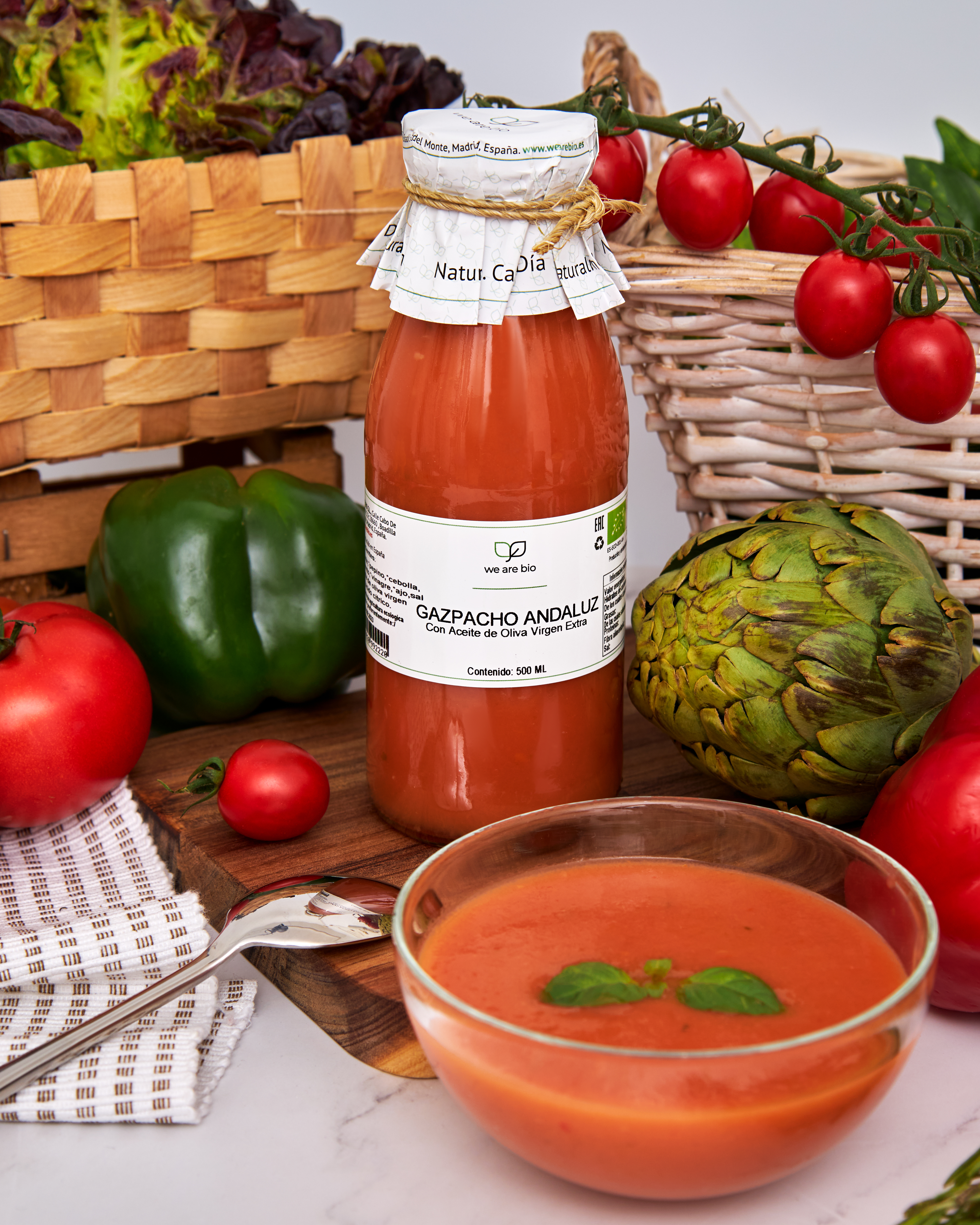
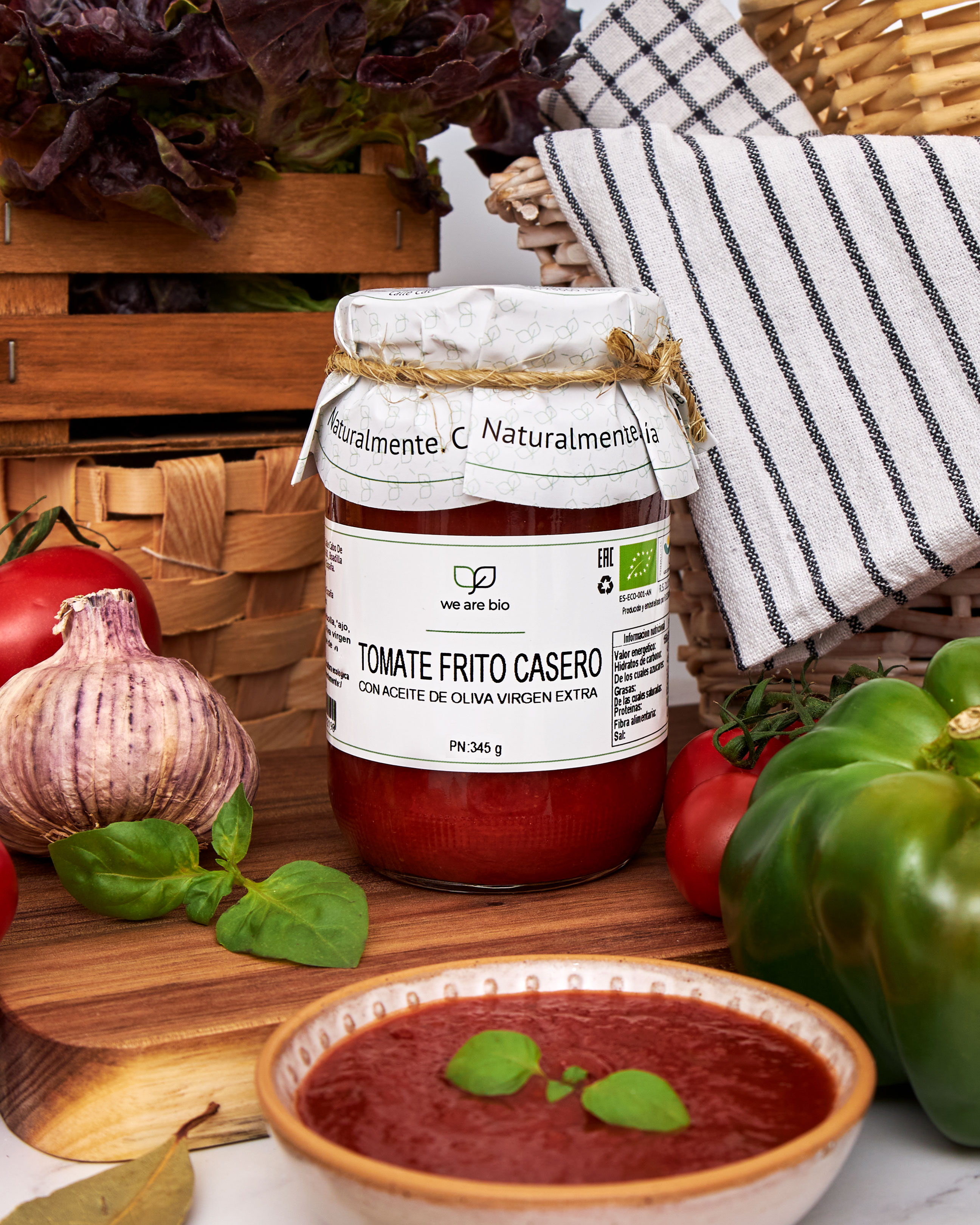
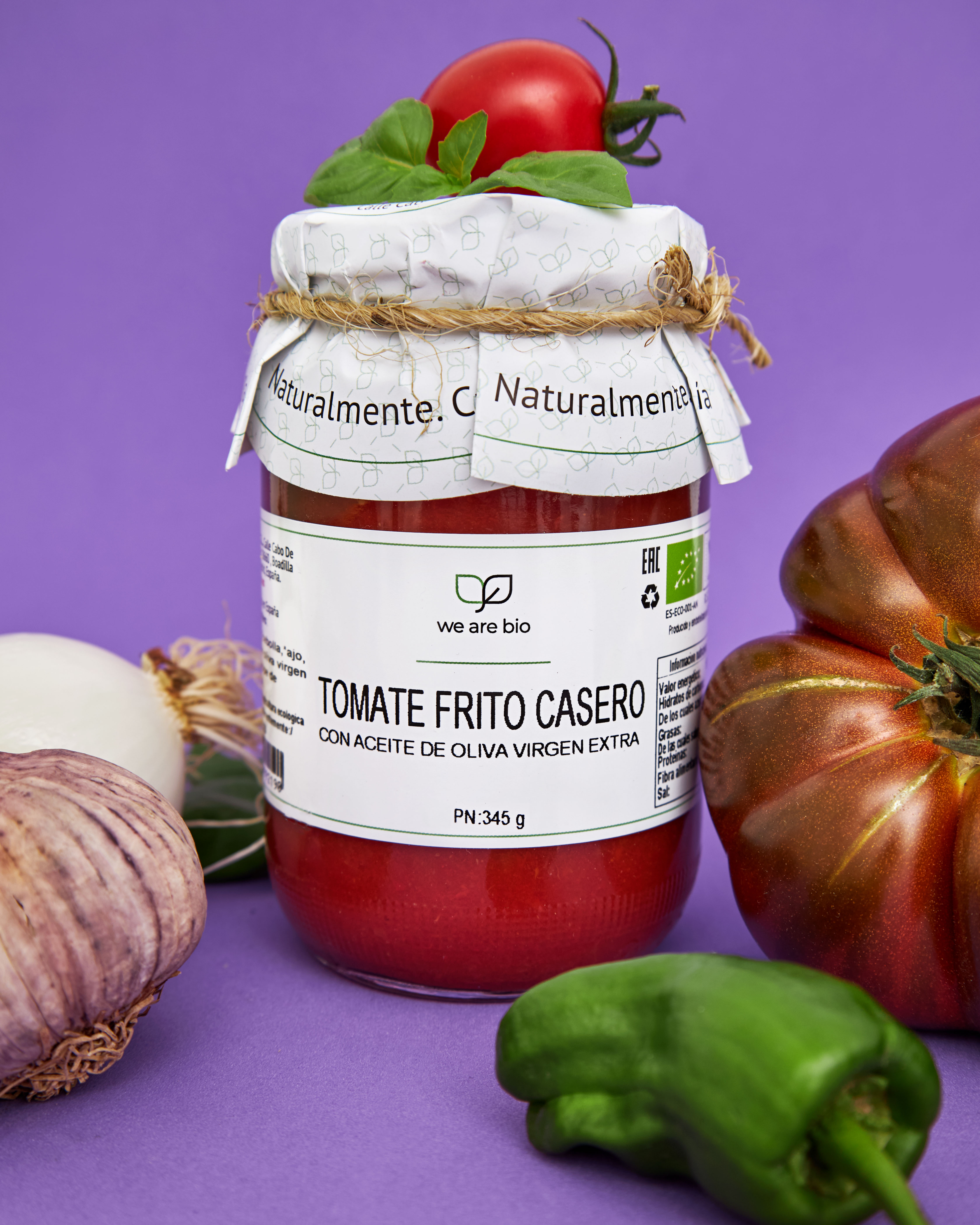
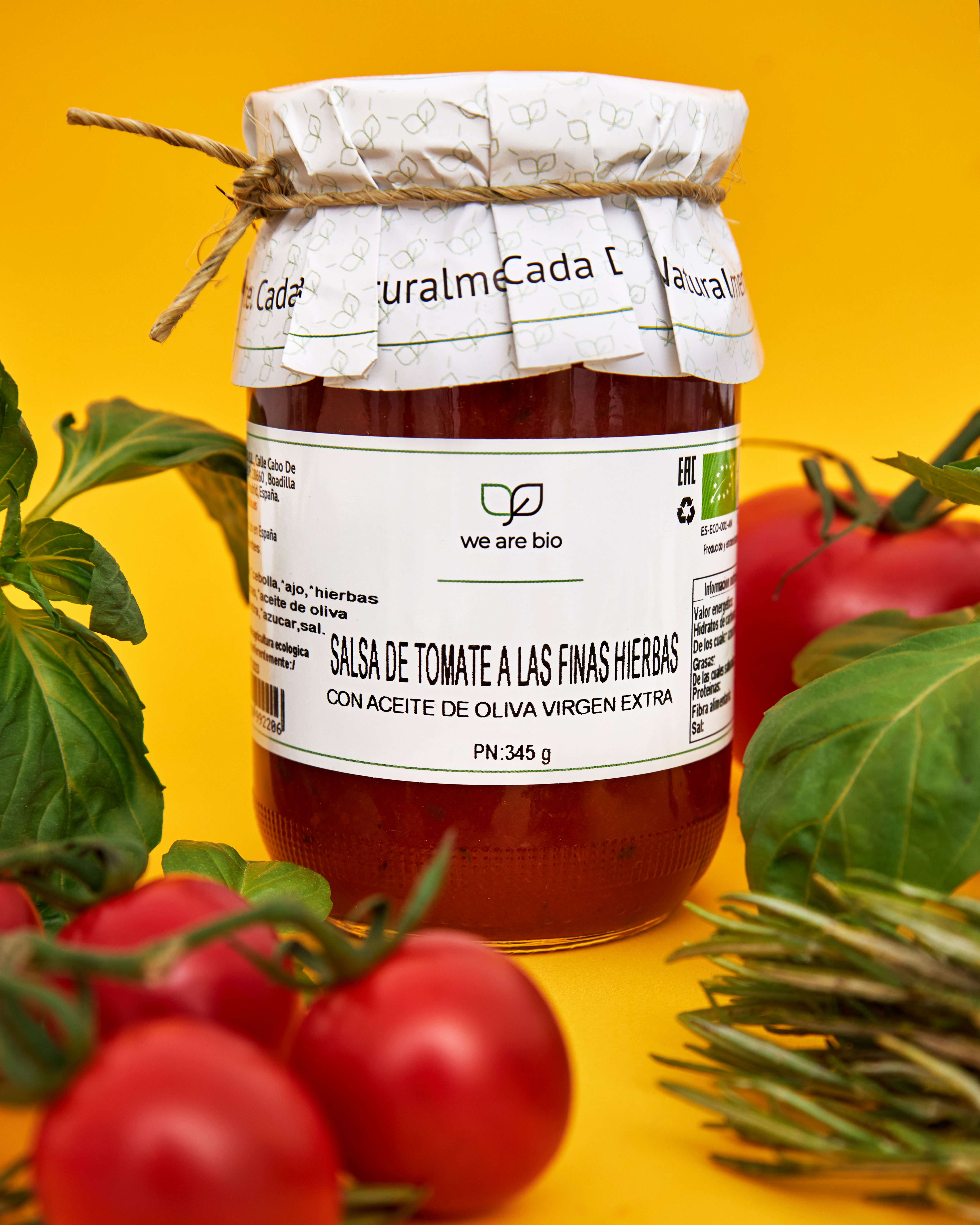
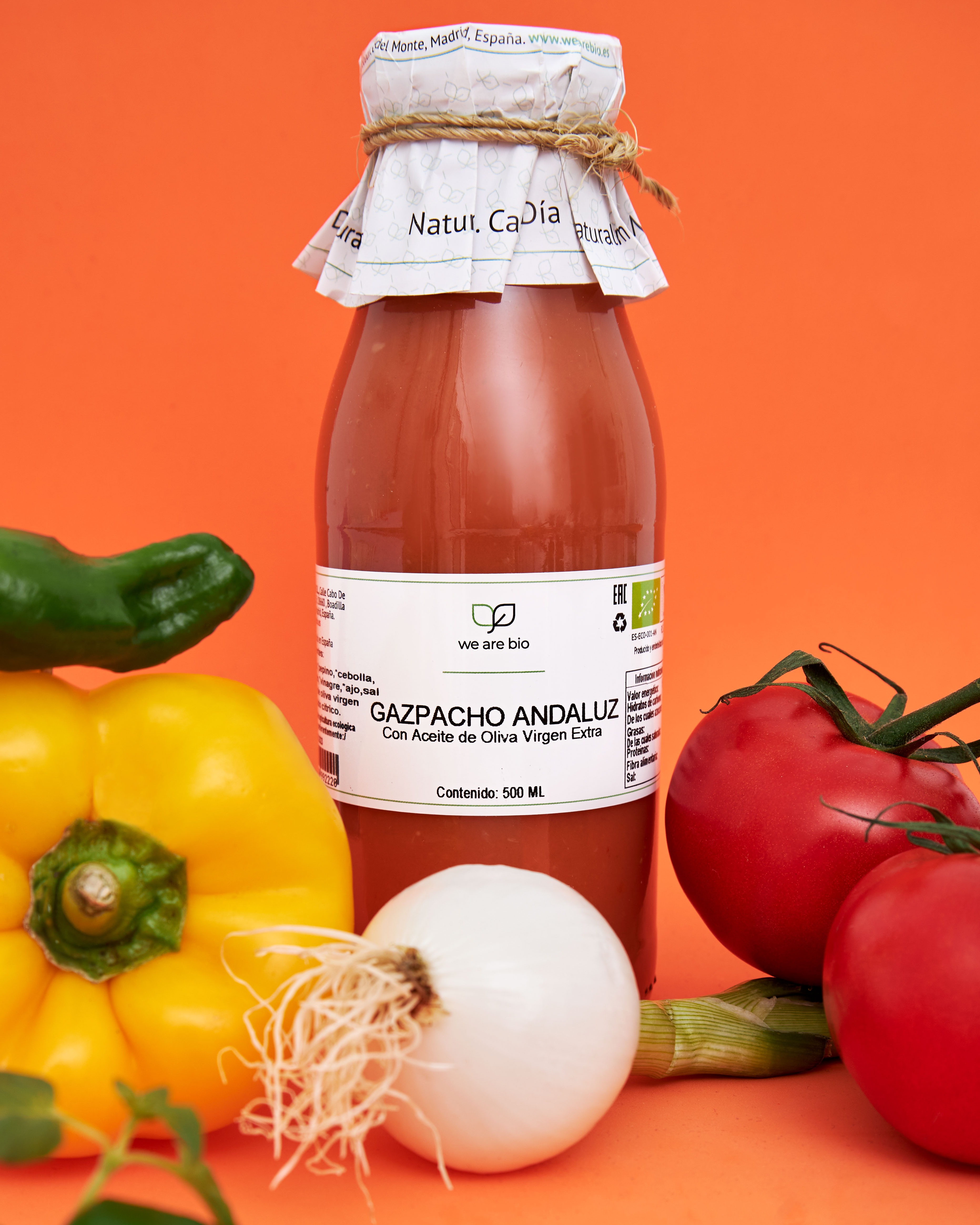
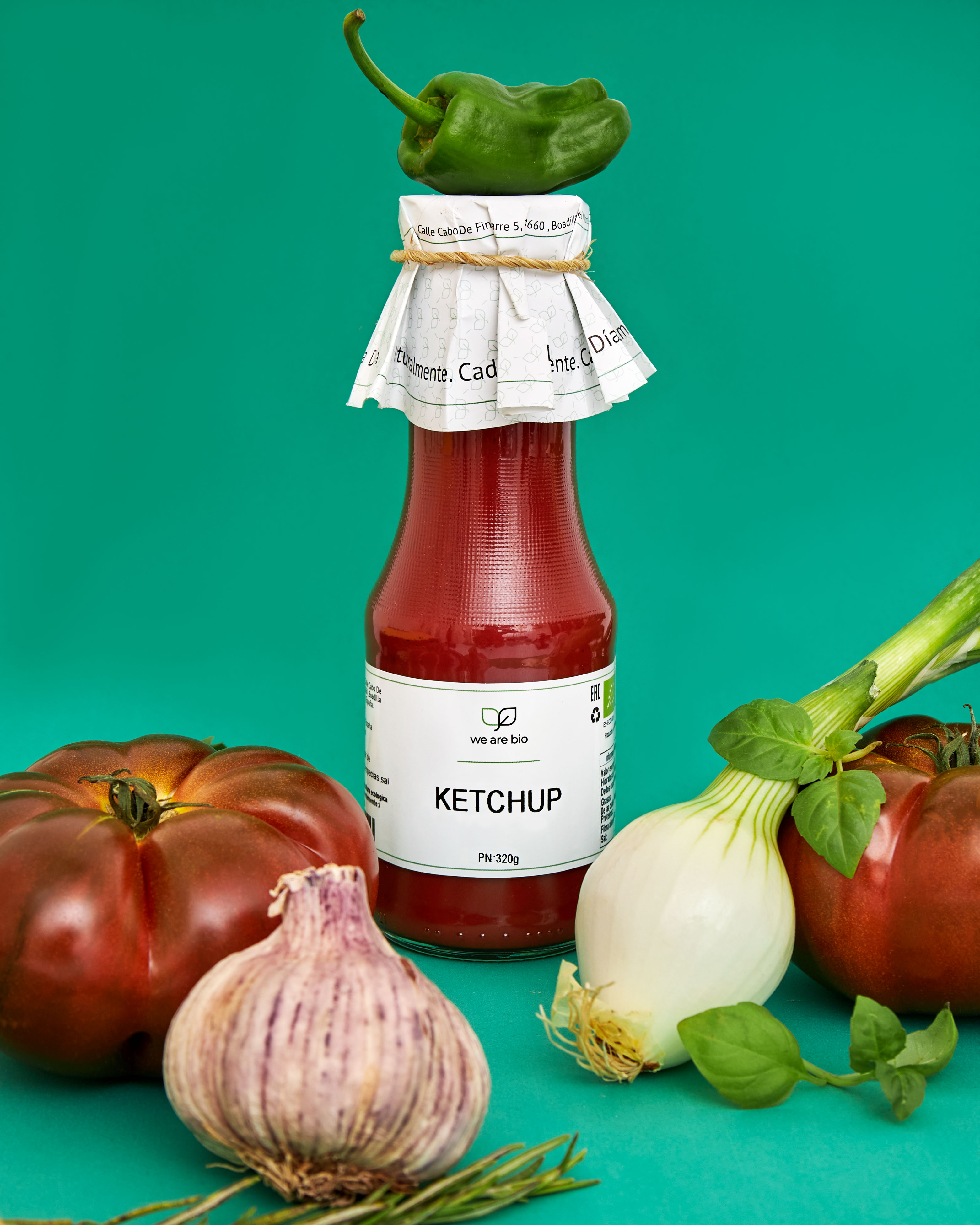
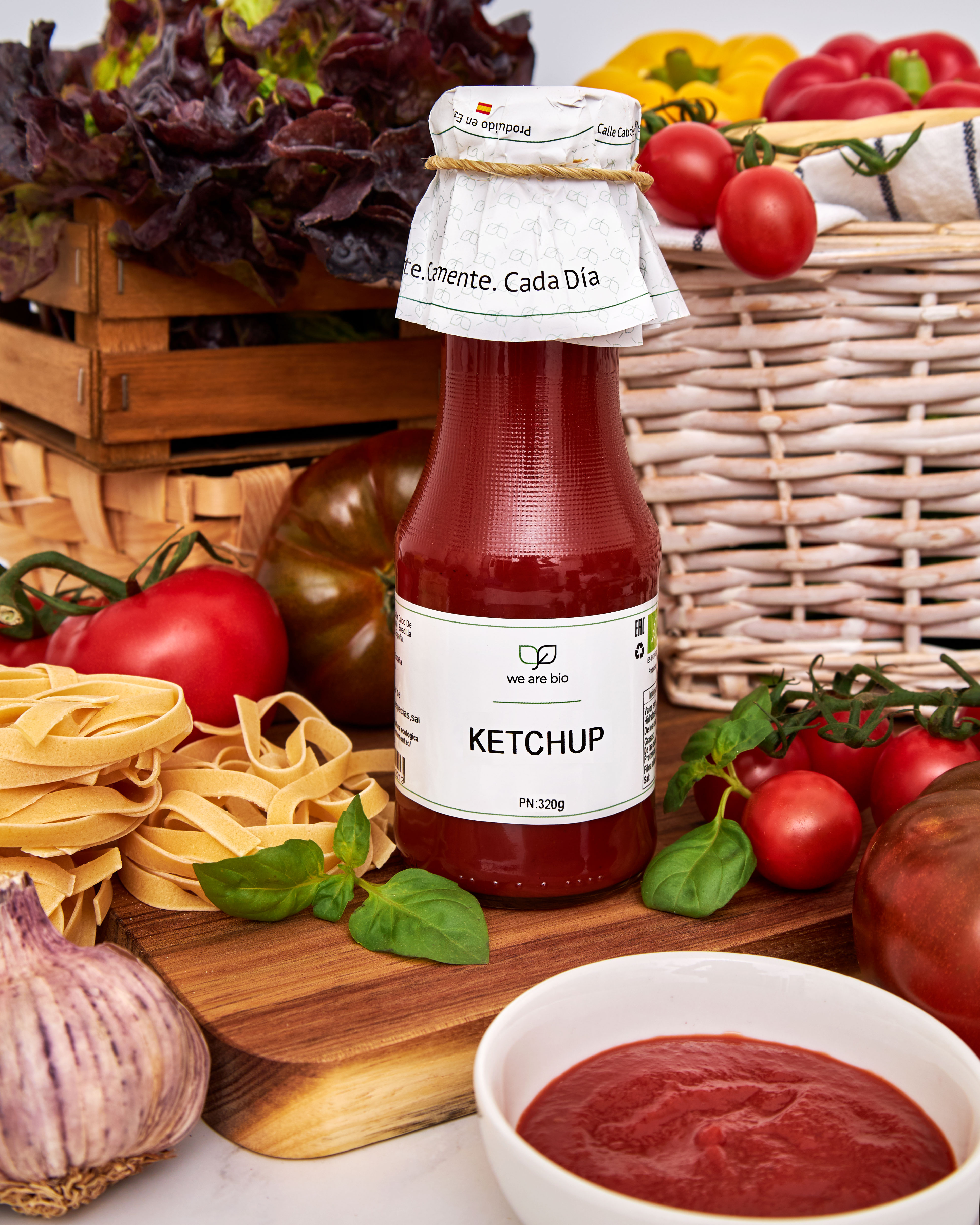
The Tomate Frito is the base — the sauce a Spanish home keeps on hand for everything from pasta to fried eggs. The Tomato with Herbs is the same base lifted by oregano, bay and smoked paprika. The Gazpacho is not a sauce at all but a cold soup, the way Andalusia drinks summer. The Ketchup is the grown-up cousin: the same whole tomato, the same slow cook, only sweetened by its own reduction. One shelf, four ways the field can reach the table.
The collection
At the table
Sundays and weeknights
The Tomate Frito over short pasta, with nothing more than torn basil and a thread of olive oil. A spoonful into a stew on its second day, to lift it back into life. Gazpacho in a chilled glass, before the heat of August lunch. The ketchup beside a slow-cooked rib, where it has somewhere to belong.
None of these are weeknight compromises. They are weeknight reminders — that good food does not have to be slow if the slowness has already happened in the jar.
A private tasting
A tasting, set for four.
Request yours